
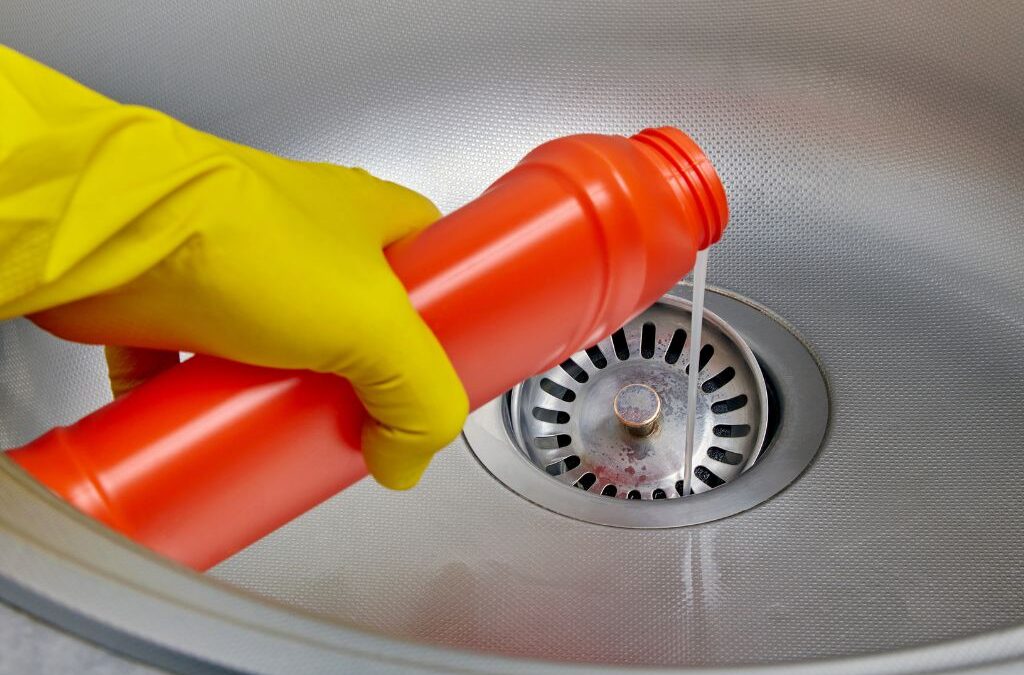
“All your questions answered”
There’s a bottle of it under half the sinks in Brisbane – and somehow it still divides opinion like nothing else in the cleaning cupboard. Chemical drain cleaners promise a quick fix for a slow sink or a gurgling shower, and plenty of people swear by them. But just as many have sworn off of them completely, usually after a horror story involving melted pipes, burnt skin, or a blockage that came back worse than before.
So what’s the real story?:
- Do they work?
- Are they safe
- And are they secretly wrecking your plumbing while they clear the clog?
So let’s cut through the noise and get into it – starting with the basics, right through to whether your pipes are actually at risk.
Your top 6 questions about chemical drain cleaners
After digging through what people actually want to know before reaching for the bottle, here’s everything answered in one place:
1. How do chemical drain cleaners work?
Most bottled cleaners rely on a chemical reaction to break down whatever’s blocking your pipe. Depending on the brand, that reaction might be caustic, acidic, or oxidising, and each type works a little differently to dissolve hair, grease, soap scum and other gunk into something that can be flushed away with water.
Caustic types generate heat as they react, which helps melt fatty build-up, while acidic types eat through organic material more aggressively. It sounds simple enough on paper, but the chemistry involved is a lot harsher than most people realise.
2. What’s the chemical used in drain cleaners?
It depends on the product.
- The caustic chemical used in drain cleaners is sodium hydroxide (caustic soda/lye)
- Acidic ones use sulfuric acid
- Some rely on bleach-based oxidisers.
Caustic soda is the one you’ll see most often – it dissolves fats, oils and hair by generating heat as it reacts, which is exactly why it’s effective on grease clogs and exactly why it burns skin on contact. These aren’t vinegar-and-bicarb strength – they’re industrial substances sold in a supermarket bottle.
3. Are chemical drain cleaners safe?
Not really – and this is where most of the horror stories come from.
These products can:
- Cause chemical burns on contact with skin
- Release fumes that irritate the eyes and lungs in a poorly ventilated bathroom
- Become genuinely dangerous if mixed with other cleaning products, particularly anything containing bleach or ammonia.
They’re also risky to store in a home with kids or pets, since the bottles look harmless enough sitting under the sink. If you’re going to use one, gloves, eye protection and an open window aren’t optional extras – they’re the bare minimum.
4. Do chemical drain cleaners work?
Sometimes, and that’s honestly part of the problem.
They can clear a simple, fresh clog made of soap scum or a small hair tangle sitting near the top of the pipe. What they’re far less reliable for is a deeper blockage, or a clog caused by tree roots. And they’re really not great at dealing with a serious build-up further down the line.
In those cases, people often end up pouring in more and more product, chasing a result that was never going to come, while the actual cause of the blockage sits untouched.
5. Do chemical drain cleaners damage pipes?
Often, yes, and this is the part that catches a lot of homeowners out.
The same reaction that dissolves a clog can also eat away at the inside of the pipe itself, particularly with older metal pipes or anything that’s already worn or corroded. Repeated use makes it worse over time, weakening joints and seals until you’re not just dealing with a blockage anymore, but a leak or a full pipe failure.
PVC pipes aren’t immune either, especially with acidic formulas that generate excessive heat inside a confined space. What starts as a $15 fix from the shops can turn into a much bigger plumbing bill down the track.
6. So what are the best chemical drain cleaners, if you’re going to use one anyway?
If you do want to try a bottled product first, it’s worth choosing an enzyme or bacteria-based formula over a caustic or acidic one, since these break down organic matter biologically rather than through a harsh chemical reaction, and they’re far gentler on both pipes and people.
They work more slowly, but they’re a safer starting point for minor, everyday slow drains.
For anything acidic or heavily caustic:
- Use it only as an absolute last resort
- Follow the instructions to the letter
- Never mix products or repeat doses if the first attempt doesn’t work.
Are chemical drain cleaners worth the risk?
Chemical drain cleaners aren’t entirely useless, but they’re a blunt tool for a job that often needs a more precise one.
They can help with the odd minor clog, but they’re NOT built for:
- Tree roots
- Serious blockages
- Ageing pipes
- Repeat problems.
Using them in those ways tends to cause more damage than it fixes. If your drain keeps coming back blocked, or you’re not confident about what’s actually causing it, that’s your sign to stop reaching for the bottle and call in a professional instead.
Don’t risk your pipes – Call Brisbane Drain Cleaning
Save your pipes, your skin, and your sanity. Brisbane Drain Cleaning uses CCTV inspections, hydro-jetting and proper drain-clearing equipment to sort out blockages properly the first time, with fixed, upfront pricing and same-day service across Brisbane. No guesswork, no harsh chemicals, no surprises.
Call today or easily book online for an obligation-free quote.
Related posts:
 Choosing The Best Drain Cleaning Tools For The Job
 How To Unblock Drains Outside (And When You Need A Plumber)
 How To Get Rid Of Drain Flies In 5 Different Ways
 When Is Drain Excavation Necessary? A Clear Guide
 7 Ways On How To Get Rid Of Smelly Drains In Bathroom
 How To Use An Electric Eel Drain Snake Cleaner
