
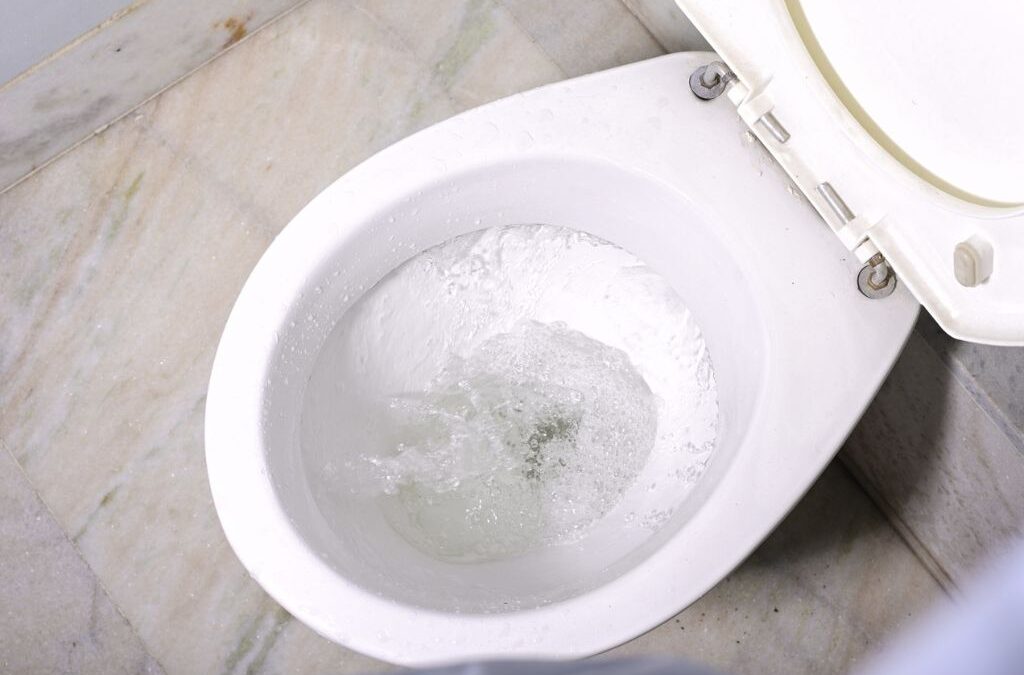
A toilet draining slowly probably has you reaching for the plunger … again. It’s one of those annoying plumbing problems that you know is common, and quite often it feels pretty minor at first. But you soon change your mind when:
- It keeps coming back
- It’s getting worse and worse
- It starts affecting other drains in the house.
But in a lot of Brisbane homes, what looks (sounds or smells) like a simple toilet issue is actually something happening deeper in the line.
So in our guide, we’re going to try to cut through the usual advice to get to the real question: Why your fix didn’t work.
And, even more helpfully, what actually WILL work.
Let’s dive in:
Why your ‘quick fix’ didn’t solve it
If you’re like most people, you try the same old few things first. And sometimes, they work. But often, they don’t … and there’s a reason for that.
The plunger only moves what it can reach: If you’ve got a slow draining toilet, plunging can help – but only if the blockage is close to the bowl. If the restriction sits further down the pipe, you’re just shifting water around, not clearing the problem.
Drain cleaners don’t reach far enough: Chemical cleaners might break down light organic build-up, but they rarely make it past the trap. If your toilet bowl draining slowly is caused by something deeper in the line, those products won’t touch it.
The problem isn’t always the toilet: This is the big one. A toilet slowly draining can be a symptom of a wider drainage issue – not a local blockage at all. If the main line is partially blocked, the toilet is often the first place you notice it.
What’s actually causing it
Are you wondering, ‘Why is my toilet draining slowly?’ For the answer, we’ll need to think beyond the fixture itself:
Partial blockages in the line: Build-up from paper, waste, or debris can narrow the pipe without fully blocking it. Water still drains – just much slower than it should.
Tree roots in older pipes: Across Brisbane, especially in older suburbs, roots getting into clay pipes is extremely common. They don’t always cause a full blockage straight away – but they will slow everything down.
Venting issues: If you have a toilet draining slowly and gurgling as well, that’s a strong sign of a venting problem or pressure imbalance in the system. Air can’t move properly, so water struggles to flow.
Main sewer line restrictions: If multiple fixtures are slow, or you notice backups elsewhere, the issue is likely in the main sewer line – not the toilet itself.
The fixes people try (And when they actually work)
So, let’s get to the heart of the matter now by breaking down what you actually can do – and where the limit is:
1. Plunge properly
Most people rush this! A proper seal and steady pressure make a difference:
- Use a flange plunger (not a flat one)
- Ensure there’s enough water in the bowl
- Push and pull slowly to build pressure.
This can really work if the blockage is right there in the trap.
2. Use a toilet auger
A manual auger can reach further than a plunger and break up minor obstructions quite well indeed. It’s often the next step when figuring out how to fix a slow draining toilet at home:
- Feed it gently through the bowl
- Rotate to grab or break debris
- Avoid forcing it – you don’t want to damage the porcelain.
3. Check other drains in the house
This is where things get even more interesting.
Ask yourself:
- Is the shower slow too?
- Does the sink gurgle when you flush?
- Is water backing up elsewhere?
If yes – you’re not dealing with a toilet problem anymore. You’re dealing with a system issue.
4. Pay attention to warning signs
Certain symptoms tell you straight away it’s probably beyond any meaningfully effective DIY:
- Gurgling sounds
- Water rising higher than normal before draining
- Smells coming from drains
- Fluctuating water levels.
If you’re seeing any (or all) of these, you’re past the point of learning how to stop a slow draining toilet with basic tools.
The real reason it keeps coming back
It’s exactly here where most guides fall short. Because a temporary fix might clear part of the blockage – but not all of it.
So:
- Maybe the water flows a bit better
- Perhaps you believe it’s fixed
- All the while, the remaining debris starts building up again.
It’s exactly why the issue so often returns days or weeks later.
In cases involving roots or pipe damage, no amount of plunging or chemicals will solve it properly. You need to actually see what’s going on inside the pipe – which is where professional equipment comes in.
When it’s time to call a specialist
If your toilet is still slow after basic attempts – or keeps becoming a slow draining toilet again – it’s time to look deeper.
A drainage specialist will typically:
- Use CCTV inspection to locate the exact cause
- Identify whether it’s build-up, roots, or pipe damage
- Clear the line properly with high-pressure jetting or mechanical equipment.
And this is especially important in Brisbane, where our wet seasons and older infrastructure put extra strain on drainage systems.
A quick reality check
And now for the honest truth.
If your issue is:
Right in the bowl … then DIY might fix it.
Further down the line … DIY usually won’t.
Affecting multiple fixtures … it’s definitely not just a toilet problem.
And it’s understanding that distinction that is the real difference between a quick fix and an ongoing headache.
Getting it sorted properly
A toilet draining slowly is rarely something to ignore – and it’s almost never worth fighting with over and over again. Because what starts as a minor annoyance can quickly turn into a full-on blockage, a serious and unhealthy overflow, or even property damage if the underlying issue isn’t addressed in time.
If you’re in or around Brisbane and dealing with a toilet that just won’t drain properly, Brisbane Drain Cleaning can pinpoint the cause and clear it properly the first time. With CCTV drain inspections, high-pressure jetting, and same-day service available, you’ll get a clear answer and a lasting fix – not another temporary patch.
Book now for a fixed-price quote and get your drains flowing the way they should.
Related posts:
 The Smell Test: Ranking Smelly Drains (And How To Fix Them)
 How To Fix A Slow Running Shower Drain? (And 3 Mistakes To Avoid)
 How To Unblock A Toilet CALMLY: The Clog Psychology
 43 (Yes, 43) Real Causes Of Blocked Drains
 Understanding The 10 Different Types Of Drains
 10 Stormwater Maintenance Tips – Are You Flood-Ready?
