
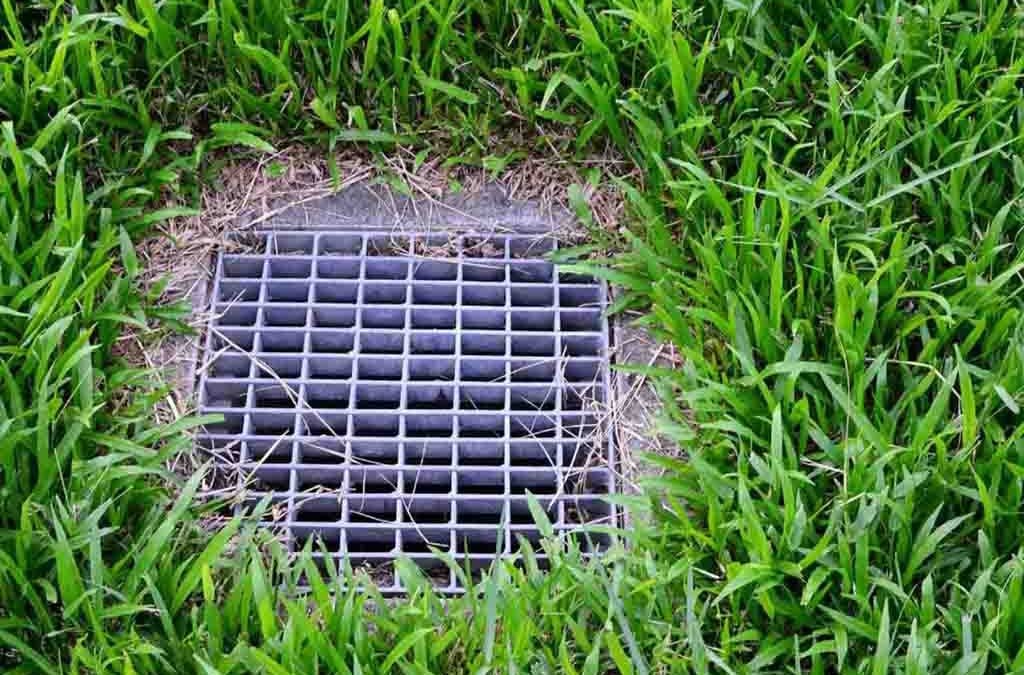
Picture a drain. You thought of the simple round grate at the bottom of a sink or shower, where water disappears into the pipes below, didn’t you? That’s certainly one kind of drain – but in reality, there are many types of drains that exist for very different purposes. From backyard water management to citywide infrastructure, every drain system has a unique job to do.
In our special guide here at Brisbane Drain Cleaning, we’ll walk through the main drain types you’ll come across, showing:
- How each one works
- Why it’s different from the others
- And where it fits into everyday homes or larger properties.
Understanding the types of drainage systems can help you appreciate how important they are – and why skilled drainage plumbers are needed to design custom stormwater drainage solutions, install, and maintain them.
1. Surface drains
The most basic type of stormwater drainage system collects water straight from the ground’s surface. These are used to stop puddles and pooling in low-lying areas.
Common surface drains include:
Swale drains – shallow, grassy channels that guide water gently across the yard.
Trench drains – grated channels across driveways or patios.
Slot drains – slim, modern-looking versions often used around pools.
They form the first line of defence in any water drainage system, quickly moving rainfall away before it can cause damage.
2. French drains
A French drain is one of the most popular types of drain for homes with damp soil or waterlogged lawns.
It consists of a gravel-filled trench with a perforated pipe beneath, sloping gently away from the house. This clever design intercepts water and directs it away from problem areas like basements, retaining walls, or garden beds.
3. Point drains
Point drains are also simple but effective. They collect water from a single spot – think of a shower floor, a garage, or a stairwell landing.
Because they’re installed at the lowest point of a slope, point drains are perfect when you need to capture and redirect water from one concentrated area.
4. Subsurface drains
Unlike surface options, subsurface drains sit below ground. These drainage systems are used where soil becomes saturated or where properties are built on clay-heavy ground.
Variations include:
Tile drains – perforated pipes buried under soil in agricultural areas.
Deep wells – vertical shafts with pumps to manage groundwater.
Horizontal subsurface drains – long underground runs intercepting moisture over wide areas.
These hidden solutions are essential for tackling stubborn underground water problems.
5. Urban stormwater systems
Cities rely on vast drainage design networks to move stormwater safely away from streets and properties. Some use combined systems (where sewage and stormwater share the same pipes), while others use separate systems to handle each independently.
These large-scale systems are engineered to prevent flooding during heavy rain, although blockages in local connections can still cause problems at individual homes.
6. Sustainable drainage (SuDS)
Modern residential drainage system design often looks for eco-friendly options. Sustainable drainage systems, or SuDS, mimic natural processes by slowing runoff and filtering pollutants.
Examples include:
- Permeable paving
- Rain gardens
- Green roofs
- Constructed wetlands.
These systems not only handle stormwater but also improve the look and function of outdoor spaces.
7. Yard drainage solutions
Every property is unique, which is why there are many types of yard drains specifically for domestic use.
Some popular examples are:
Channel drains – running along garden edges.
Dry creek beds – decorative rocky trenches that double as runoff paths.
Pop-up emitters – releasing water discreetly away from the house when pressure builds.
Effective ground drainage in the yard keeps lawns usable, foundations safe, and gardens healthy.
8. Silt & sediment drains
For semi-rural properties, stormwater can carry sand, soil, and organic matter that quickly clogs pipes. Different drainage gully types like silt pits or sediment traps are designed to catch heavy particles before they enter the main pipes.
This type of protection reduces maintenance and prolongs the life of the whole drainage system.
9. Gully drains
What is a drain gully? It’s a ground-level basin, often seen outdoors, that collects wastewater or stormwater before directing it into underground pipes.
Gullies come in different shapes and depths depending on their job, but they all act as collection points in a larger drainage design.
10. Specialty drains
There are many different types of drains created for specific settings:
- Floor drains in commercial kitchens
- Roof drains to collect rainwater from flat roofs
- Even driveway slot drains all serve unique purposes.
Each is engineered for its location, proving just how varied a type of drainage system can be.
Why expert drain help matters
As you can see, there are countless types of drainage solutions – each with its own role, strengths, and installation requirements. Professional plumbers understand how these systems work together to protect your property from damage.
So no matter what you’re dealing with – soggy soil, a blocked pit, or simply needing advice on the best residential drainage system – Brisbane Drain Cleaning has the tools, skills, and experience to deliver lasting results. From tackling blocked drains in Brisbane Northside to handling complex issues on the Brisbane Southside, our team knows the local conditions inside out.
We also provide expert solutions for the surrounding areas, whether you’re dealing with drain blockages in Logan, need help with drain cleaning across Moreton Bay, or require professional blocked drain services in Redland Bay.
Wherever you are across the region, you can count on us to keep your property flowing freely. Reach out today for professional drainage services across Brisbane and beyond.
Related posts:
 43 (Yes, 43) Real Causes Of Blocked Drains
 The Smell Test: Ranking Smelly Drains (And How To Fix Them)
 5 Ways To Find Drains On My Property
 How To Unblock Drains Outside (And When You Need A Plumber)
 How To Get Rid Of Drain Flies In 5 Different Ways
 Choosing The Best Drain Cleaning Tools For The Job
