
You’ll find plenty of natural drain cleaner recipes online, but not a lot of it has been written by people who have actually cleared a thousand blocked drains for a living! After years of working as licensed Brisbane drain plumbers, we’ve seen which genuinely natural DIY solutions really do help – and which ones just waste your precious time.
What is a natural drain cleaner?
A natural drain cleaner uses the everyday, common household ingredients you probably already have in the cupboard to break down light organic buildup like grease, soap residue, food scraps and hair. Unlike harsh chemicals, these mixtures are gentler on pipes, better for the environment, and certainly a lot safer around kids, pets and sensitive septic systems. Use them right, and they can be a great for:
- Early blockages
- Maintenance
- Smell control.
Severe backups may be too much for them, but don’t worry – we’ve ensured everything in the list is effective, safe, and actually works in the real world.
Let’s count them down from 5 to our favourite:
5. The boiling water flush (The most overlooked fix)
Many people skip this, rejecting it entirely as a natural drain cleaner recipe. ‘Hot water … really?’. Yes – really. Believe us, nearly-boiling hot water alone solves more minor drain issues than you’d think.
How it works:
Heat softens the grease and soap buildup lining the pipe walls, allowing it to move through the system.
Instructions:
- Boil a full kettle of water
- Pour slowly into the drain in two stages
- Wait a few minutes between pours.
It’s an often underestimated method, but still a very solid starting point … before we move onto stronger mixes.
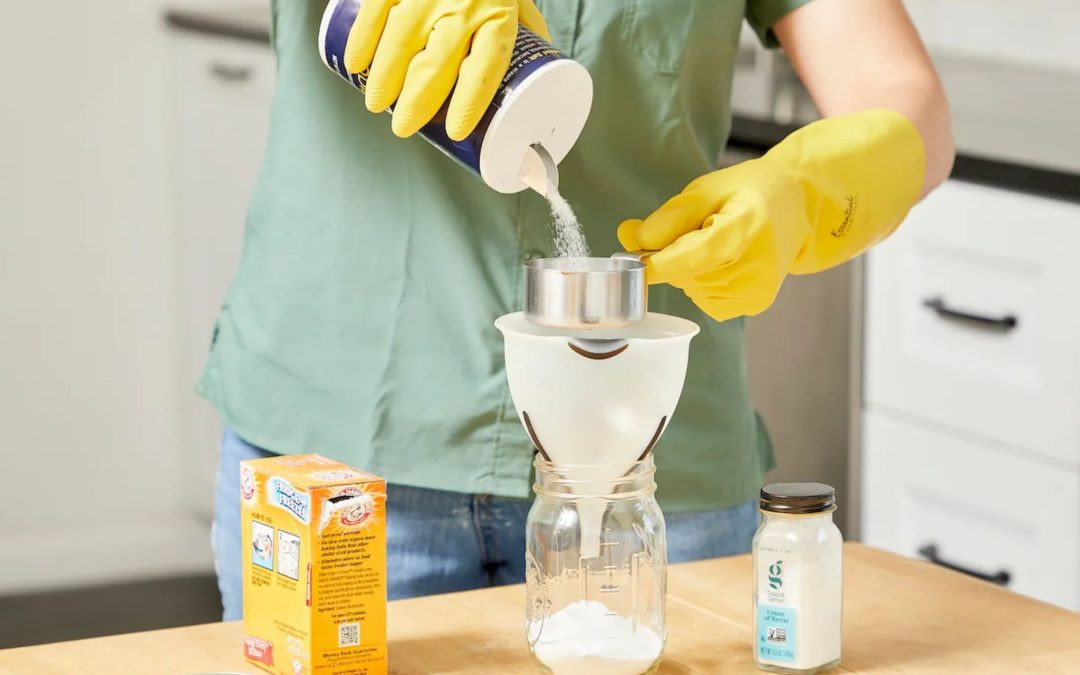
4. Bicarb soda and vinegar (For odours & light build-up)
This classic combo still has its place when used properly and not over-hyped.
How it works:
The fizzing reaction helps lift grime and deodorise pipes, but don’t expect miracles – it won’t blast through solid blockages.
Instructions:
- Pour half a cup of bicarb soda down the drain
- Follow with 1 cup white vinegar
- Cover the drain and wait 15-30 minutes
- Flush with hot water.
Used every now and then, it will help maintain clean-smelling drains – it won’t clear major clogs.
3. Salt, bicarb and hot water (Grease breakdown)
This mix adds a bit of abrasion and heat to the recipe, making it more effective for kitchen sinks.
How it works:
Salt scours the pipe walls as the heat softens the grease deposits.
Instructions:
- Mix half a cup of salt with half a cup of bicarb soda
- Pour into the drain
- Follow with boiling water
- Leave overnight if possible.
A reliable drain cleaner, natural ingredients, and more effective than you’d imagine – especially for slow-flowing kitchen sinks.
2. Dish soap and hot water (Hair and soap scum helper)
Sure, it sounds like all it’s good for is washing up a sink of dirty dishes, but prepare to be surprised about how effective it can be.
How it works:
The dish soap cuts through the grease, and the hot water helps to carry loosened debris away.
Instructions:
- Pour a generous squirt of dish soap into the drain – don’t be stingy!
- Follow with boiling water
- Repeat once (or twice) if needed.
Some people swear this is a great natural drain cleaner hair dissolver – and it’s true that for bathrooms that see a lot of hair go down the drain, it can help. But in reality, it really just loosens hair clumps rather than dissolving them – which is still useful for early-stage bathroom clogs, so give it a try.
1. Enzyme cleaner (Our favourite natural option)
If you want the closest thing to professional results without serious chemicals and pro drain cleaning tools, enzymes win.
How it works:
Natural proteins (enzymes) produced by ‘good’ bacteria feed on all that gross organic matter over time, slowly and safely breaking it down.
Instructions:
- Pour shop-bought enzyme cleaner into the drain as directed
- Leave overnight
- Rinse with warm water the next day.
We tell a lot of our clients that this is a pretty effective natural drain cleaner Australia wide, as any household can use it regularly without ever having to worry about damaging even older plumbing systems.
What is the best natural drain cleaner?
From our humble plumber’s perspective, enzyme cleaners are perhaps the most reliable natural recipes for maintenance – but we do think the hot water and soap-based methods are still great for minor grease-related issues. The key takeaway is that natural solutions work best if you catch the problem early on – not once a drain is fully blocked.
How to make natural drain cleaner work better
If you’re wondering how to make natural drain cleaner more effective, it’s timing that really matters the most. Use these methods as soon as drains start to slow – not when the water is already backing up. It’s too late by then. And always remember to flush with hot water afterwards to move loosened debris through the system.
How to unclog sink drains safely
Did our natural methods fail to improve the flow? Stop experimenting – because forcing even mild, natural mixtures into a stubborn clog often makes professional drain cleaning harder once the pros get there. At that stage, mechanical or water jet clearing, or deeper CCTV drain camera inspection is usually required to properly unblock serious drain issues.
Our final plumbers’ advice
Natural solutions can be great tools … if you remain realistic about them. They’re not magic – but they really can extend the life of your plumbing and reduce emergency callouts when applied early and correctly. Remember: If your drains keep blocking, smell foul, or back up despite these DIY efforts, it’s time for professional help.
Need fast, honest advice about how to unblock drain issues at your place? Just want us to do it for you? Reach out to Brisbane Drain Cleaning today for expert inspections, fixed pricing, and same-day service – for when natural home remedies just aren’t enough.
Related posts:
 How To Use An Electric Eel Drain Snake Cleaner
 The Smell Test: Ranking Smelly Drains (And How To Fix Them)
 How To Get Rid Of Drain Flies In 5 Different Ways
 Choosing The Best Drain Cleaning Tools For The Job
 Why Sewers Resist: How to Unblock Sewer Pipes Effectively
 How To Unblock A Sink Without Calling A Plumber
